Supply Type :
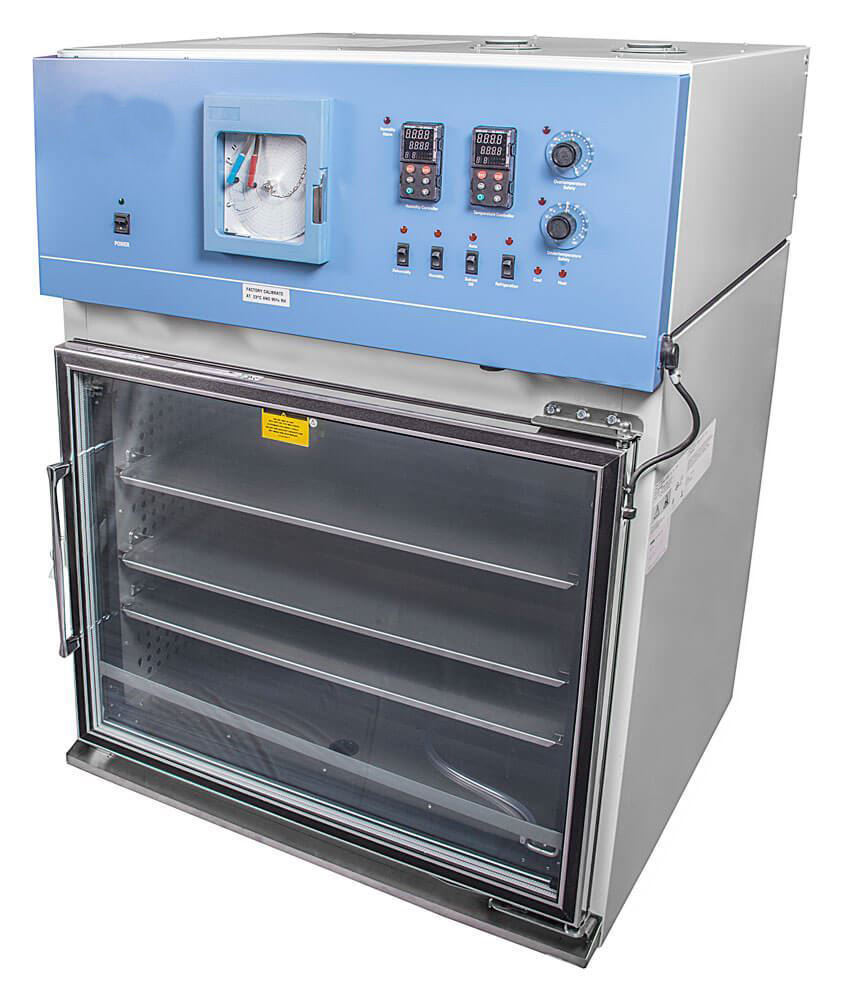
Moisture Cabinet can be used for curing mortar and concrete test specimens.
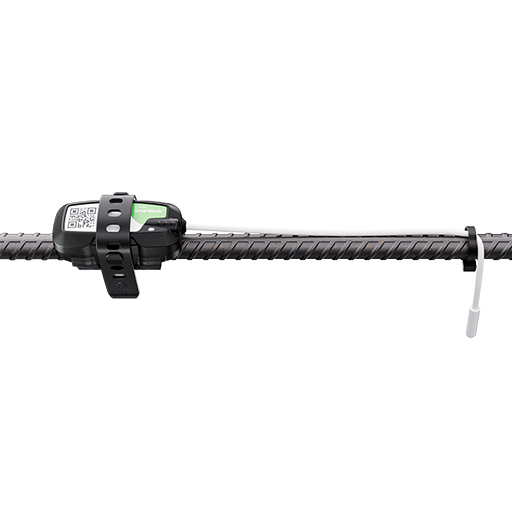
Concrete temperature sensor are used to accurately monitor and record concrete temperature throughout the curing process.

Water-to-cement (w/c) mass ratio is important because it controls the mechanical properties and durability of hardened concrete. When problems occur and/or non-compliance with the specification is suspected, it is often desirable to be able to determine the w/c ratio.

Profometer Corrosion is the most advanced instrument for corrosion analysis based on half-cell method which is used to identify active corrosion of rebars based on the electro chemical properties of reinforced concrete for assisted measurements with rod and wheel electrodes.
Floor flatness testing is a basic test that confirms the flatness of your concrete floor slab. Testing the flatness is crucial to ensuring the quality and usability of concrete floors in construction projects.
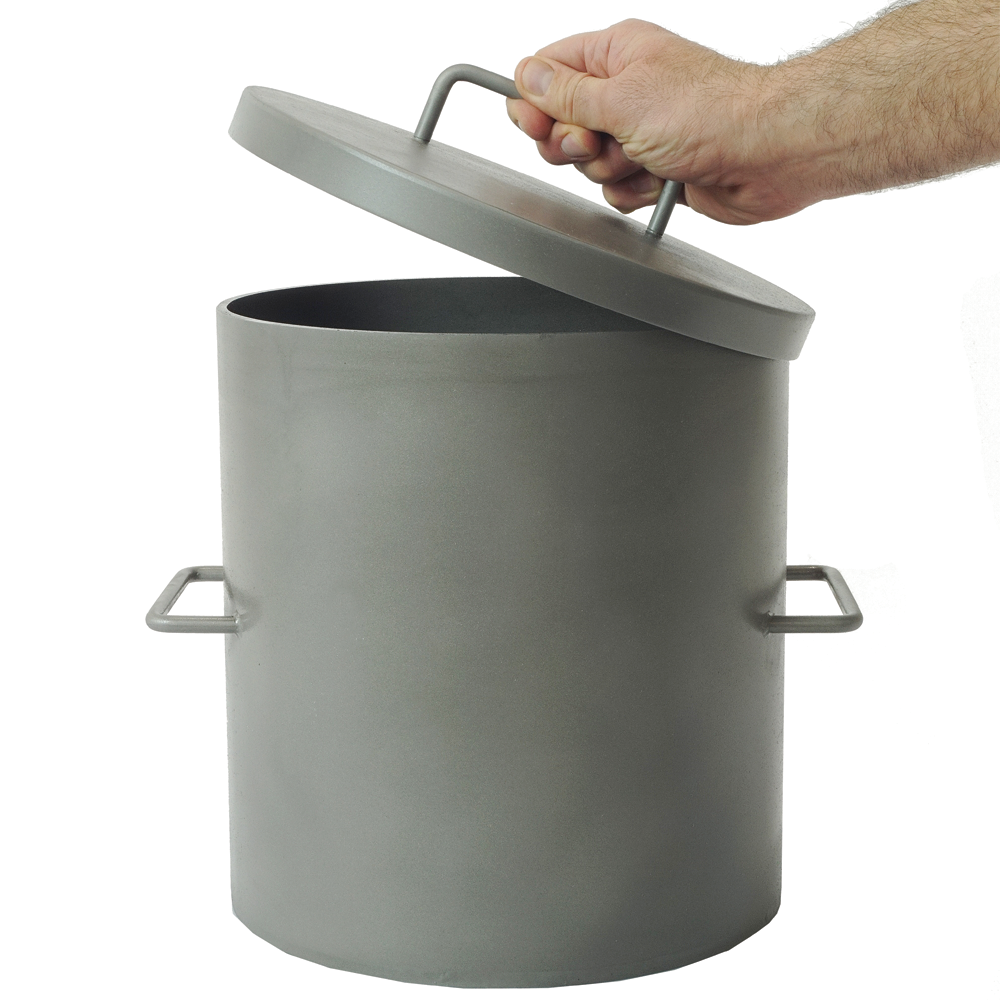
Concrete Bleeding Cylinder test is used to determine the relative quantity of mixing water that will bleed from a sample of freshly mixed concrete. This test method is used to determine the relative quantity of mixing water that will bleed from a sample of freshly mixed concrete having aggregates with 50mm max size.

The Air entrainment meters is used for the determination of air content of compacted fresh concrete.

The Vicat needle apparatus is used to determine the setting time and consistency of cement, gypsum, plaster, or similar materials.

Concrete Railway Sleepers and Bearers Static Testing Machine, has been designed basically to perform static tests according to EN 13230-2, EN 13230-3 and EN 13230-4 (Prestressed monoblock and twin-block reinforced sleepers and bearers tests) and also low vibrating track system (LVT-System) tests.
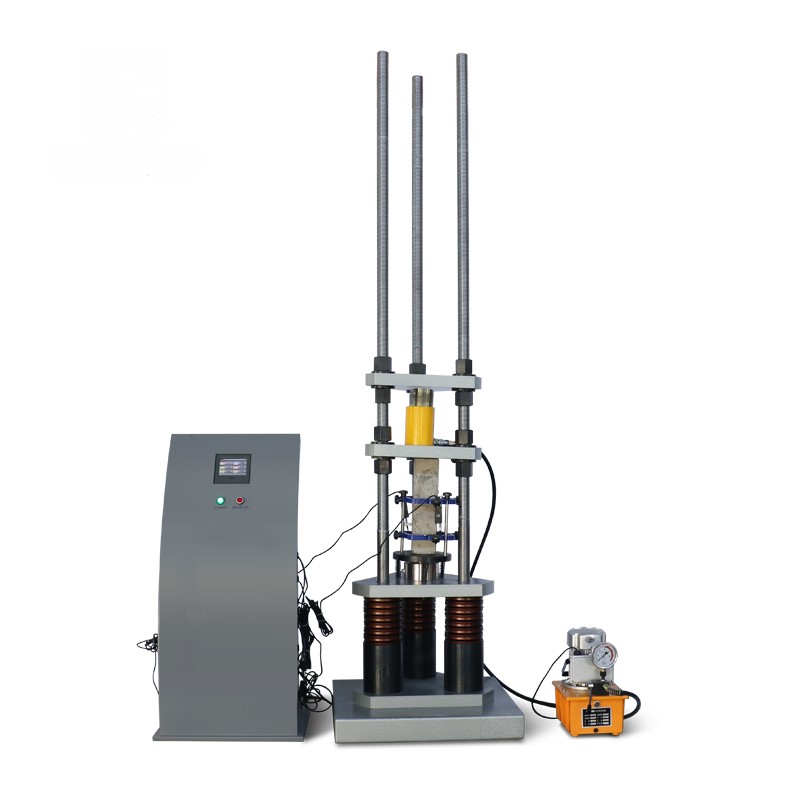
Concrete Creep Testing Machine is designed to determine of concrete cylinder and cuboid parts under constant pressure load over time.