Welcome to the India’s first and only dedicated platform for concrete, concrete related products, equipments, man power & services etc. pan India online directory

Concrete Protection

Concrete Protection Banner

Nature Risk Protection

blog

Basement Waterproofing Service

Basement waterproofing prevents rainwater from seeping through walls and floors into the concrete structure.
It protects against dampness, cracks, and corrosion caused by water pressure and moisture buildup.
Waterproofing layers and drainage systems block both surface and groundwater intrusion.
This ensures the concrete stays dry, strong, and durable over time.

blog

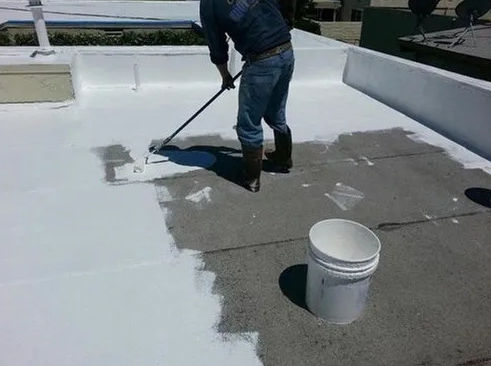
Waterproofing Coating Service

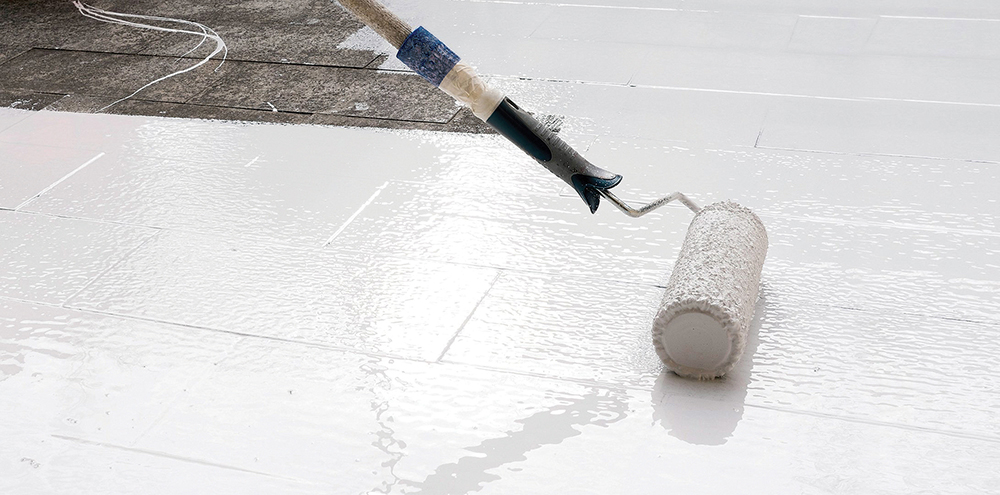
Waterproofing coating creates a protective layer over concrete that blocks rainwater from seeping in.
It seals pores, cracks, and joints, preventing dampness, leaks, and corrosion of reinforcement.
The coating remains flexible to handle structural movement and weather changes.
Used on roofs, terraces, basements, and wet areas to ensure long-lasting concrete durability.

blog

Bitumen Coating Services

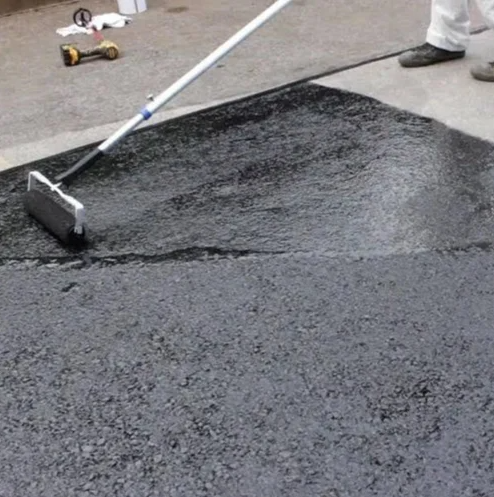
Bitumen coating forms a thick, waterproof barrier over concrete surfaces to block rainwater penetration.
It seals cracks, joints, and pores, preventing moisture from reaching the concrete and steel reinforcement.
The coating is flexible and adheres well, even in damp or underground areas.
Commonly used for basements, foundations, roofs, and retaining walls to ensure long-term protection.

blog

China Mosaic Waterproofing Chemical

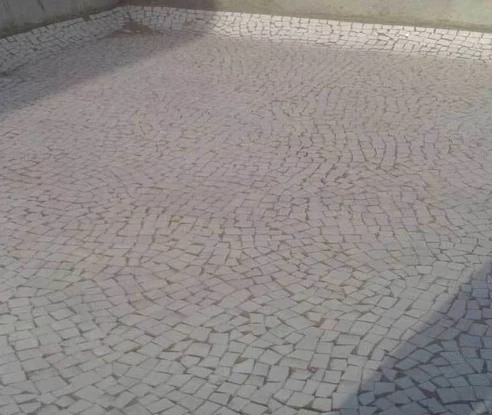
China mosaic waterproofing involves fixing glazed tiles over a waterproofing layer on terraces or roofs.
The tiles reflect heat and block direct rainwater contact with the concrete surface.
Proper slope, tile fixing, and grouting ensure quick drainage and prevent seepage.
It protects concrete from water damage, cracks, and heat-induced deterioration.

blog

Elastomeric Waterproofing Chemical

Elastomeric waterproofing forms a flexible, rubber-like coating that blocks rainwater from entering concrete.
It stretches with structural movement, preventing cracks and leaks in walls, roofs, and terraces.
The coating fills surface pores and bridges hairline cracks effectively.
It provides long-lasting, seamless protection against moisture, UV, and weathering.

blog

Organosilane Based Waterproofing Agent

Organosilane-based waterproofing agent penetrates deep into concrete and forms a water-repellent barrier.
It blocks rainwater absorption while allowing the surface to breathe.
This prevents cracking, efflorescence, and moisture-related damage.
It offers invisible protection without changing the appearance of concrete.

blog

Polyurethane Waterproofing Chemical

Polyurethane waterproofing chemical known for their exceptional flexibility, elongation properties, and crack-bridging capabilities. They offer excellent resistance against water, chemicals, and UV radiation.

blog

Bitumen Paint

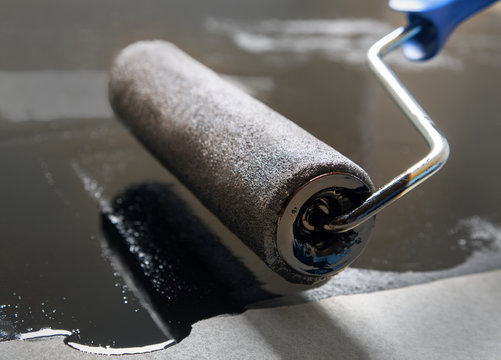
Bitumen paint is a black, tar-like waterproof coating used to protect concrete surfaces from rainwater and moisture damage.

blog

Cementitious Waterproofing Chemical

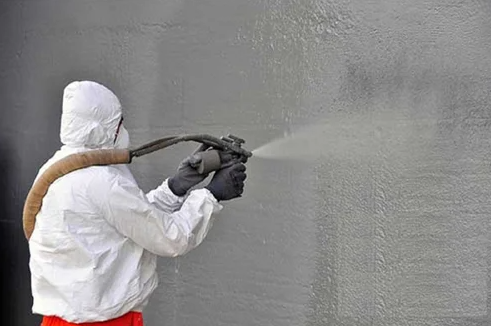
Cementitious waterproofing chemical is a brushable or sprayable coating made from cement, polymers, and additives.
It forms a hard, protective layer over concrete surfaces to block rainwater penetration.
Ideal for areas like terraces, water tanks, basements, and wet zones.
It seals pores, covers microcracks, and protects concrete from moisture-related damage.

blog

TPO Membrane

TPO (Thermoplastic Polyolefin) membrane is a single-ply waterproofing sheet that protects concrete by creating a seamless, durable barrier against rainwater.

blog

TPE Membrane

TPE (Thermoplastic Polyolefin Elastomer) membrane is a high-performance, flexible waterproofing sheet used to protect concrete structures from rainwater damage.

blog

Mosaic Tiles

Mosaic tiles protect concrete by acting as a barrier against rainwater, preventing seepage and surface erosion.
They reduce thermal stress by shielding concrete from direct sunlight and temperature changes.
Properly installed with slope and grouting, they aid in drainage and prevent water accumulation.
When laid over waterproofing, they extend the life of both the membrane and the concrete structure.

blog

App Membrane Services

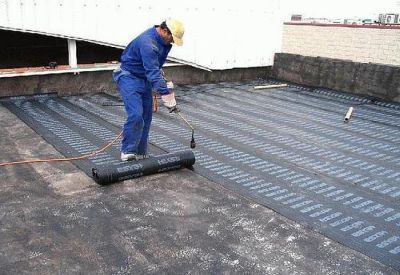
An APP membrane service refers to the installation of Atactic Polypropylene (APP) modified bitumen membranes — a highly effective method of protecting concrete surfaces from rainwater damage.

blog

Concrete Pump Chamber

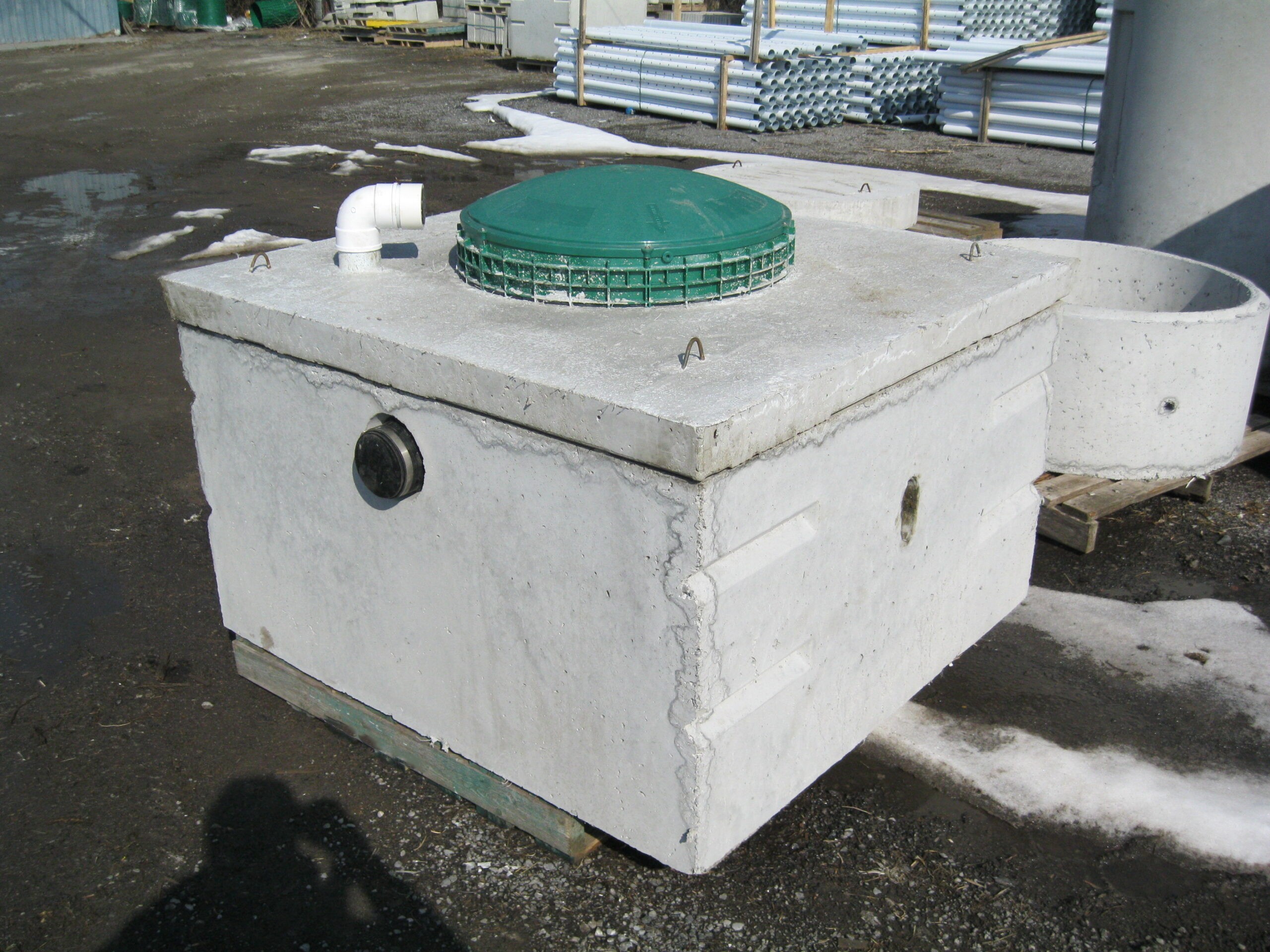
A concrete pump chamber plays an essential role in protecting concrete structures from damage caused by rainwater — especially in areas where water accumulation or seepage can lead to concrete deterioration, corrosion of reinforcement, or structural weakening.

blog

Expansion Joint Tape

Expansion joint tape plays a critical role in waterproofing — especially in protecting joints in concrete structures from rainwater infiltration. Rainwater can easily seep through gaps or joints in concrete if they are not properly sealed. Expansion joint tape prevents this.

blog

App Membrane

"APP membrane" refers to Atactic Polypropylene membrane, a type of waterproofing material commonly used in construction. It's especially popular for roof waterproofing, basements, terraces, and foundation slabs.

blog

Geo Membrane

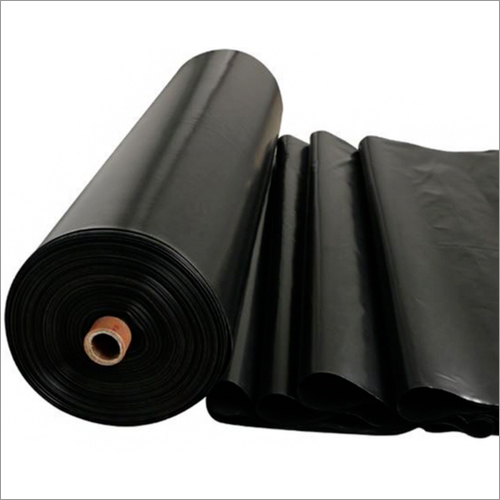
A geomembrane is very low permeability synthetic membrane liner or barrier used with any geotechnical engineering related material so as to control fluid migration in a human-made project, structure, or system.

Man Made Risk Protection

blog

Concrete Cathodic Protection Service

Concrete cathodic protection service uses electrical currents to stop corrosion of steel reinforcement within concrete.
It neutralizes the electrochemical reaction caused by chlorides, acids, and other aggressive chemicals.
This prevents rust formation, cracking, and spalling of concrete over time.
Widely used in bridges, marine structures, and industrial plants exposed to harsh chemical environments.

blog

Concrete Anti-Corrosion Service

Concrete anti-corrosion service involves applying protective coatings or treatments to prevent steel reinforcement from rusting.
It blocks chemical agents like chlorides, sulfates, and acids from reaching the rebar through the concrete.
This prevents internal cracking, spalling, and structural weakening caused by corrosion.
Ideal for chemical plants, coastal structures, and sewage systems exposed to aggressive environments.

blog

Anti Carbonation Service

Anti-carbonation service involves applying a protective coating that blocks CO₂, moisture, and pollutants from entering concrete.
It prevents carbonation, which lowers pH and leads to corrosion of steel reinforcement.
The coating also resists acid rain and harmful chemicals, preserving concrete durability.
Ideal for exposed structures like bridges, facades, and parking decks in aggressive environments.

blog

Micro Concrete Services

Micro concrete is a flowable, shrinkage-compensated material used for repairing damaged concrete.
It restores structural integrity and covers exposed reinforcement vulnerable to chemical attack.
Often blended with corrosion inhibitors or polymer additives for added chemical resistance.
Ideal for industrial repairs, columns, beams, and floors exposed to aggressive chemicals.

blog

Concrete Pipe Coating Service

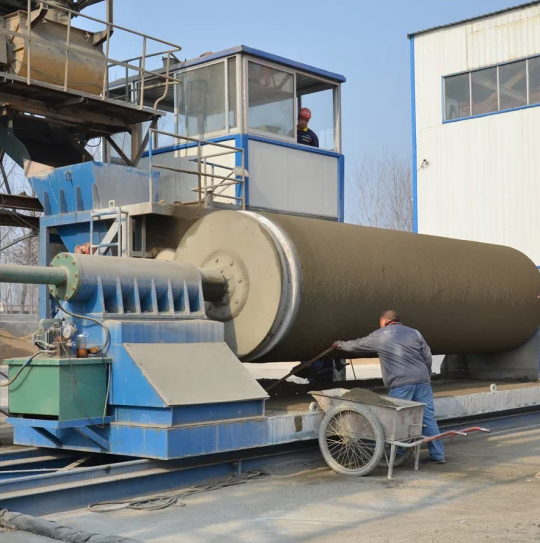
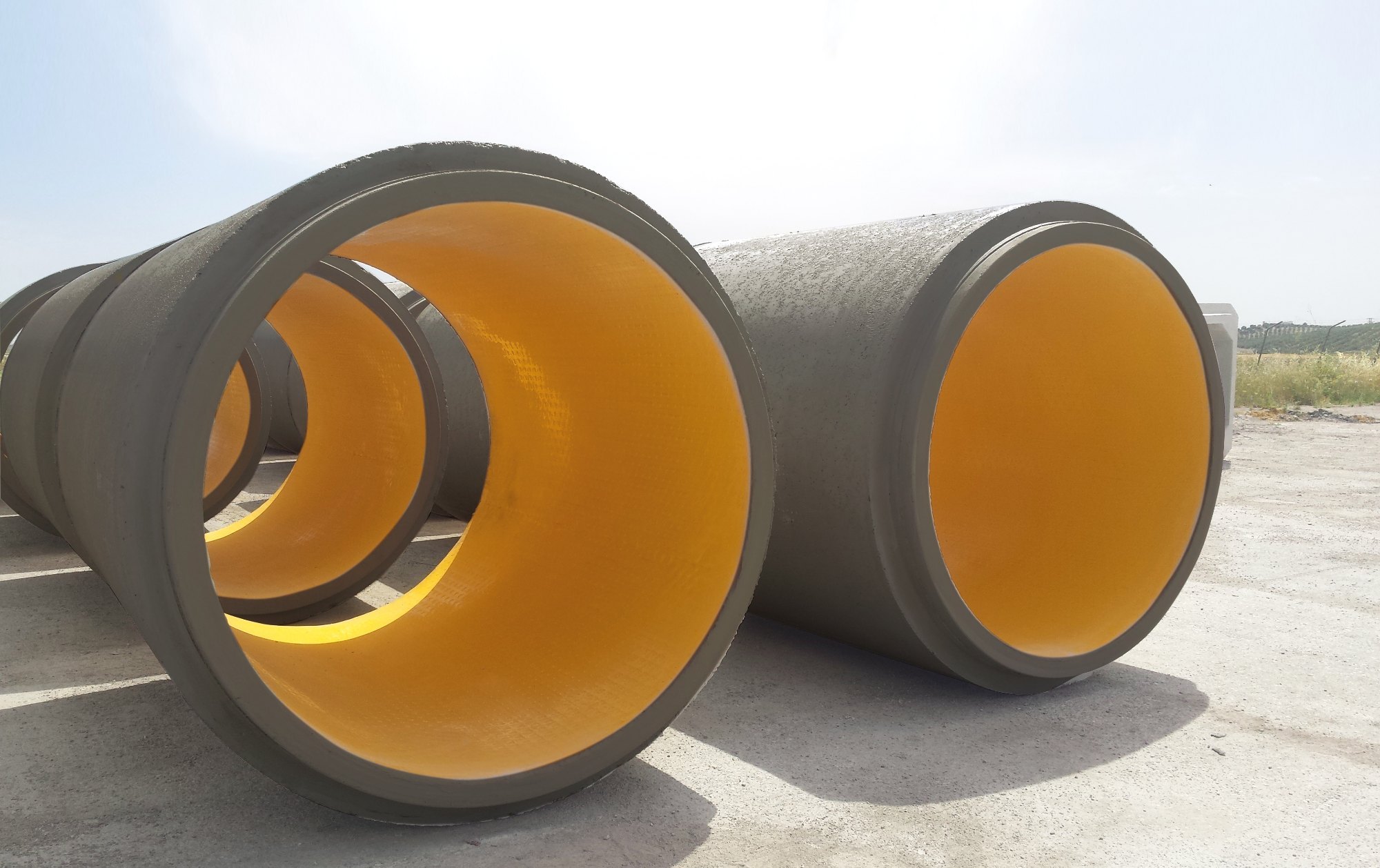
Concrete pipe coating service involves applying a chemical-resistant lining inside or outside concrete pipes.
It protects against corrosion caused by acids, alkalis, sewage, and industrial chemicals.
The coating seals the surface, preventing chemical penetration and preserving structural integrity.
Essential for extending the life of pipes used in drainage, sewage, and chemical transport systems.

blog

Concrete Pipe Coating Plant

Concrete pipe coating chemicals form a protective lining inside pipes to resist corrosive chemicals and wastewater.
They prevent acids, alkalis, and industrial effluents from penetrating and degrading the concrete surface.
The coating also blocks moisture ingress, reducing corrosion of embedded steel.
Ideal for sewage, drainage, and industrial pipelines exposed to harsh chemical environments.

blog

Rebaring Chemical

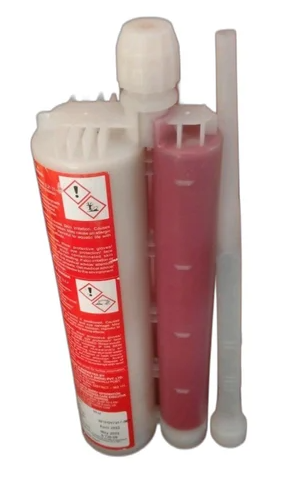
Rebaring chemicals (anchoring adhesives) bond new steel bars to existing concrete with strong chemical resistance.
They create a sealed interface that prevents water and chemicals from seeping in and corroding the rebar.
These chemicals are often epoxy or polyester-based, providing durability in aggressive environments.
Used in retrofitting, extensions, and repairs where protection from chemical attack is critical.

blog

Anti Corrosion For Rebar

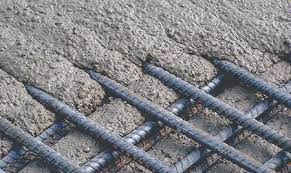
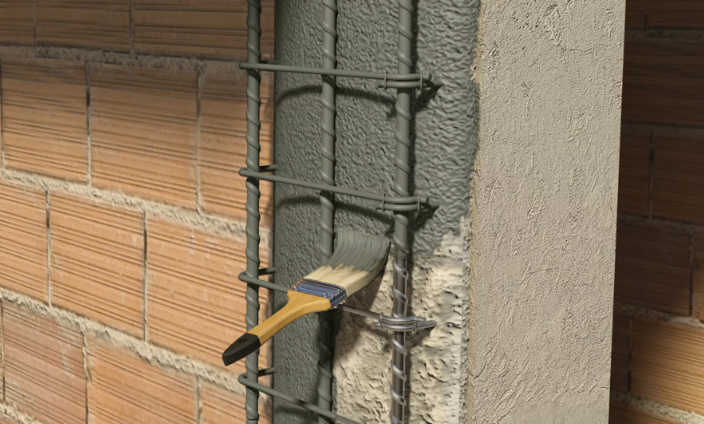
Anti-corrosion coatings for rebar form a protective layer that shields steel from chlorides, acids, and moisture.
They prevent rust formation, which expands and cracks the surrounding concrete.
This preserves the concrete’s structural strength and durability in chemically aggressive environments.
Commonly used in marine structures, bridges, and industrial foundations exposed to corrosive agents.

blog

Anti Carbonation Coating Chemical

Anti-carbonation coating forms a protective barrier that blocks CO₂, moisture, and harmful gases from entering concrete.
It prevents carbonation, which reduces concrete pH and leads to steel reinforcement corrosion.
The coating also resists acid rain, pollutants, and environmental chemicals.
Ideal for protecting bridges, facades, and exposed structures from long-term chemical deterioration.

blog

Concrete Densifiers

Concrete densifiers penetrate the surface and react with free lime to form a hard, dense, and less porous layer.
This reduces the concrete’s absorbency, making it more resistant to chemical penetration and staining.
By limiting moisture and chemical ingress, densifiers help prevent corrosion and surface degradation.
Commonly used in warehouses, factories, and industrial floors to enhance chemical and abrasion resistance.

blog

Epoxy Grout Services

Epoxy grout service involves filling joints with a chemical-resistant grout that seals gaps in concrete or tiled surfaces.
It prevents aggressive chemicals, oils, and moisture from penetrating and damaging the concrete below.
The non-porous, durable nature of epoxy grout ensures long-term protection in harsh environments.
Ideal for industrial floors, chemical plants, and laboratories exposed to frequent chemical exposure.

blog

Epoxy Grout

Epoxy grout is a highly durable, non-porous material that resists acids, alkalis, oils, and chemical spills.
It seals joints and gaps in tiled or concrete surfaces, preventing chemical penetration into the substrate.
Unlike cement grout, it doesn't absorb moisture or degrade in harsh environments.
Ideal for chemical plants, food processing areas, and industrial floors where chemical exposure is high.

blog

Epoxy Floor Coating

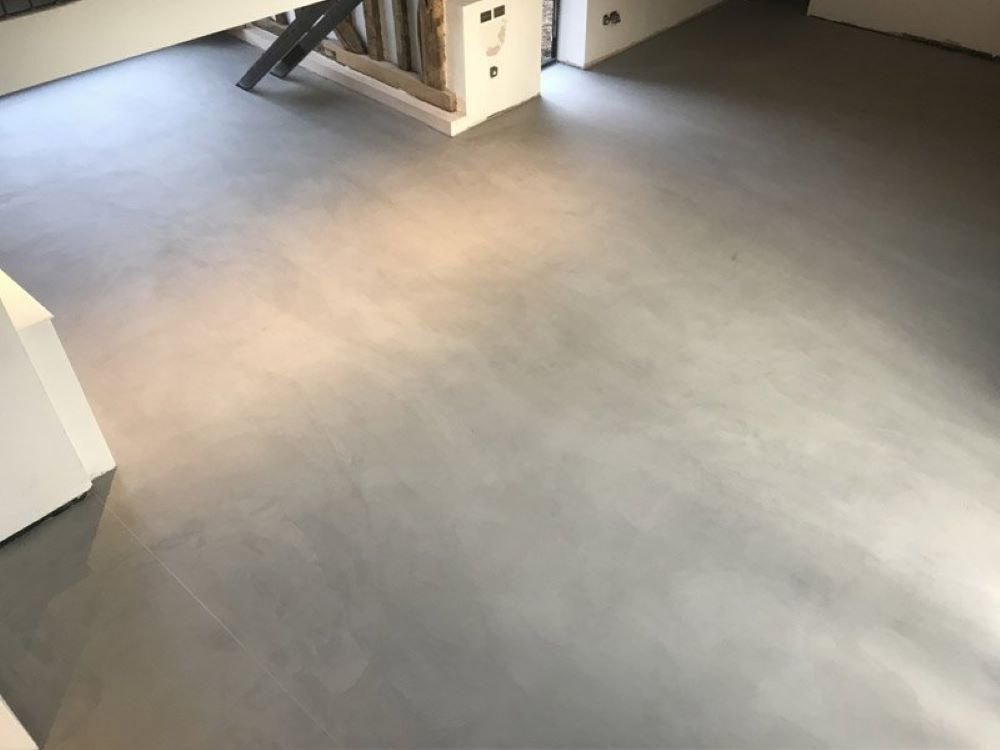
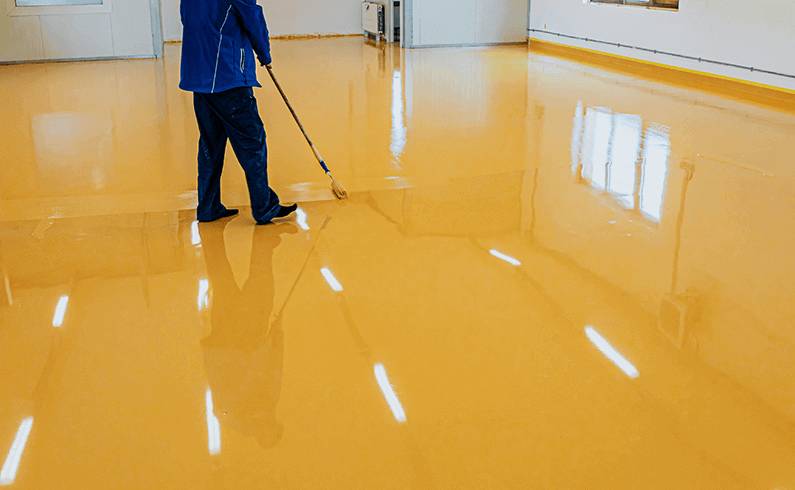
Epoxy floor coating forms a hard, non-porous, and chemically resistant layer over concrete surfaces.
It blocks acids, oils, solvents, and other corrosive substances from penetrating and damaging the concrete.
The coating also prevents moisture ingress, protecting embedded steel from corrosion.
Widely used in industrial plants, warehouses, and labs for long-lasting chemical and abrasion resistance.

blog

Epoxy Floor Coating Chemical

Epoxy floor coating forms a hard, non-porous, and chemically resistant layer over concrete surfaces.
It blocks acids, oils, solvents, and other corrosive substances from penetrating and damaging the concrete.
The coating also prevents moisture ingress, protecting embedded steel from corrosion.
Widely used in industrial plants, warehouses, and labs for long-lasting chemical and abrasion resistance.

blog

Corrosion Inhibitors

Corrosion inhibitors are chemicals added to concrete or applied to its surface to protect steel reinforcement from corrosion.
They block or neutralize aggressive agents like chlorides, acids, and sulfates that penetrate the concrete.
This prevents rusting of rebars, which causes cracking, spalling, and structural weakening.
Commonly used in bridges, marine structures, and industrial concrete exposed to harsh chemicals.

blog

Concrete Protection Liner

Concrete protection liners are pre-formed, chemical-resistant sheets installed on concrete surfaces.
They create a physical barrier that prevents aggressive chemicals from contacting and damaging the concrete.
Highly resistant to acids, alkalis, solvents, and industrial waste, they protect both surface and embedded steel.
Ideal for use in sewage plants, chemical tanks, and industrial floors for long-term corrosion resistance.

blog

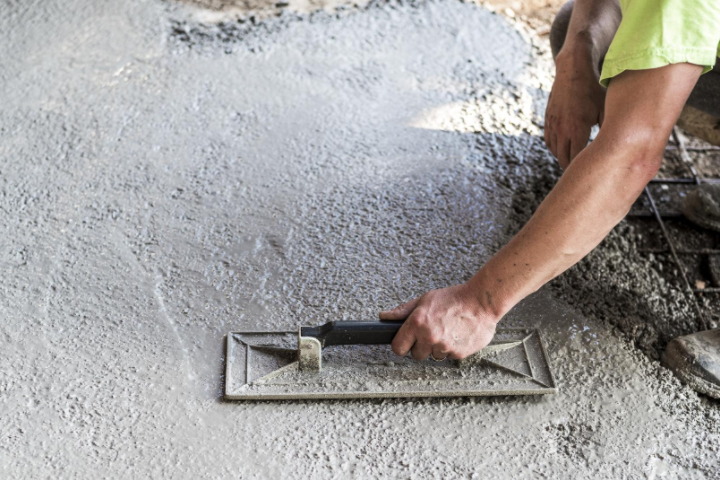
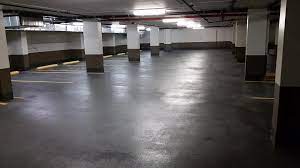
Concrete Floor Sealer

Concrete floor sealer penetrates or coats the surface to create a chemical-resistant barrier.
It blocks the entry of oils, acids, salts, and other corrosive substances that can degrade concrete.
The sealer prevents surface erosion, staining, and corrosion of embedded steel.
Ideal for warehouses, factories, and garages to enhance durability and reduce maintenance.

blog

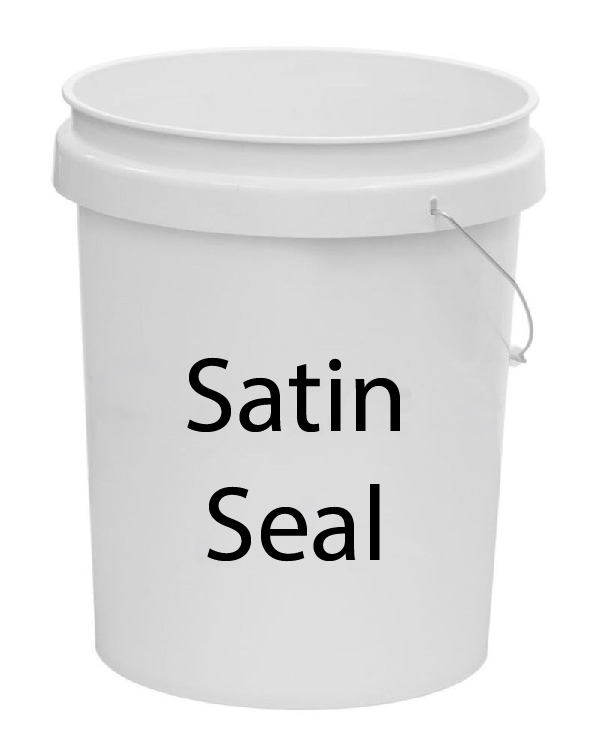
Satin Seal

Satin Seal is a clear, protective sealer that penetrates concrete and forms a chemical-resistant barrier.
It protects against staining, mild acids, oils, and chemical spills by sealing surface pores.
The coating enhances durability while maintaining a smooth, satin-like finish.
Ideal for industrial floors, garages, and areas needing both chemical protection and aesthetic appeal.

blog

Bitumen Paint

Bitumen paint forms a protective, waterproof, and chemically resistant coating over concrete surfaces.
It shields concrete from mild acids, alkalis, and industrial fumes by creating a dense barrier.
The coating prevents chemical penetration that can cause corrosion and deterioration.
Commonly used in foundations, tanks, and underground structures exposed to aggressive environments.

blog

Polyurethane Waterproofing Chemical

Polyurethane forms a seamless, flexible, and chemical-resistant membrane over concrete surfaces.
It blocks water and aggressive chemicals from penetrating and attacking the concrete and reinforcement.
Highly resistant to oils, acids, alkalis, and industrial contaminants.
Ideal for protecting concrete in chemical plants, basements, and wet industrial zones.

blog

Organosilane Based Waterproofing Agent

Organosilane penetrates deep into concrete and forms a hydrophobic (water-repelling) layer inside the pores.
By blocking water ingress, it prevents waterborne chemicals (like chlorides, sulfates, and acids) from entering the concrete.
This protects embedded steel reinforcement from corrosion and chemical attack.
It enhances concrete’s resistance to chemical deterioration without altering its appearance or breathability.

blog

Polymer Concrete Services

Polymer concrete is made by replacing cement with chemical-resistant resins like epoxy or polyester.
It forms a dense, non-porous surface that resists acids, alkalis, oils, and industrial chemicals.
Used in chemical plants, drainage systems, and industrial floors where conventional concrete fails.
It protects structures from corrosion, extends service life, and reduces maintenance needs.

Subscribe For Update