
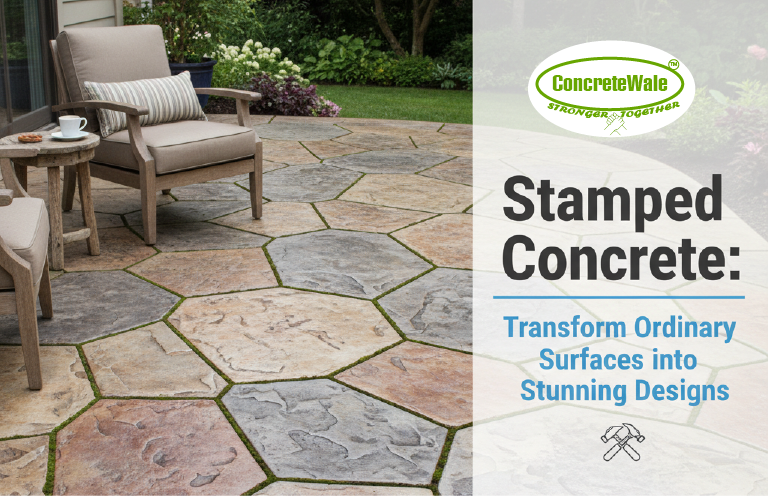
Stamped Concrete: A Beautiful and Durable Choice for Modern Construction
Concrete is no longer just a dull grey material for foundations and floors — it has evolved into a creative surface finish that combines strength, durability, and stunning aesthetics. Among modern decorative techniques, Stamped Concrete stands out as one of the most popular and cost-effective ways to enhance outdoor and indoor spaces.
Let’s explore what stamped concrete is, how it’s made, where it’s used, and why it’s becoming the preferred alternative to pavers and natural stone.
What Is Stamped Concrete?
Stamped Concrete, also known as imprinted or textured concrete, is a surface treatment in which patterns and textures are impressed onto freshly poured concrete before it hardens.
By using special molds and color hardeners, the surface can be made to mimic materials like brick, slate, tile, stone, or even wood, while retaining all the structural advantages of regular concrete.
This makes stamped concrete a perfect balance between visual appeal and long-term performance.
How Stamped Concrete Is Made: Step-by-Step Process
Creating stamped concrete is both an art and a science. Every step — from surface preparation to sealing — plays a role in achieving a durable and realistic finish.
1. Site Preparation
The surface is leveled and compacted, just like any concrete slab. Proper base preparation ensures there’s no uneven settling later.
2. Pouring the Concrete
A standard concrete mix (usually M25 or higher) is poured and leveled across the designated area.
3. Adding Color
There are two main coloring techniques:
-
Integral Color: Pigment mixed directly into the concrete for consistent color throughout.
-
Color Hardener: A dry-shake pigment applied on top to create vibrant, wear-resistant surfaces.
4. Applying Release Agent
A powdered or liquid release agent is applied before stamping. It prevents stamps from sticking to the concrete and adds a secondary “antique” shade for realism.
5. Stamping the Pattern
Rubber or polyurethane mats with engraved designs are pressed into the surface while the concrete is still soft. Common patterns include cobblestone, ashlar slate, brick, flagstone, and wood plank.
6. Curing and Cleaning
Once the stamping is done, the surface is allowed to cure properly. After 24–48 hours, excess release agent and residue are cleaned off.
7. Sealing
A high-quality sealer is applied to protect the surface from stains, moisture, and UV damage while enhancing color depth and gloss.
Popular Patterns and Designs
Stamped concrete offers limitless design options. Some of the most popular choices are:
-
Ashlar Slate – elegant and timeless, perfect for patios and walkways.

-
Cobblestone – gives an old-world charm to driveways.

-
Wood Plank – ideal for decks or poolside areas where wood texture is desired without maintenance.

-
Random Stone / Flagstone – creates a natural, rustic look.

-
Brick Pattern – classic for garden paths and courtyards.

Custom designs and company logos can also be embossed for commercial or decorative projects.
Advantages of Stamped Concrete
-
Cost-Effective:
Offers the look of expensive materials like stone or pavers at a much lower cost. -
Durable & Long-Lasting:
With proper sealing, it can last decades even under heavy foot or vehicle traffic. -
Low Maintenance:
No weeds, loose joints, or uneven tiles — just occasional resealing every few years. -
Fast Installation:
Large areas can be completed in less time compared to individual paving stones. -
Design Flexibility:
Wide range of patterns, textures, and color options for customization. -
Weather Resistant:
Resists sun, rain, and temperature fluctuations when properly sealed.
Applications of Stamped Concrete
Stamped concrete is suitable for a variety of residential and commercial uses, including:
-
Driveways and parking areas
-
Patios and pool decks
-
Walkways and garden paths
-
Courtyards and terraces
-
Hotel and resort landscapes
-
Malls and public plazas
It’s particularly popular in residential landscaping because it enhances property aesthetics and resale value with minimal maintenance.
Maintenance Tips for Stamped Concrete
To keep your stamped concrete looking fresh and new for years:
-
Clean the surface regularly using mild detergent and water.
-
Reseal every 2–3 years to maintain color and shine.
-
Avoid using harsh chemicals or salt during winter.
-
Repair small cracks or chips immediately to prevent water infiltration.
Stamped concrete has transformed how we think about traditional concrete surfaces. It provides an ideal mix of durability, beauty, and economy, making it a top choice for modern architecture and landscaping.
Whether you’re designing a driveway, pool deck, or patio, stamped concrete offers endless creative possibilities — proving that concrete doesn’t have to look plain or industrial anymore.
With proper installation and care, it not only enhances the aesthetic appeal of your property but also ensures long-term value and performance.