

How to Safely Wash Out a Concrete Transit Mixer Truck?
Concrete transit mixers are the backbone of Ready-Mix Concrete (RMC) delivery. But to keep them running efficiently and safely, proper washout after every trip is essential. It prevents hardened concrete buildup, protects the mixer drum, maintains concrete quality, and ensures safe operations at the batching plant.
Why Is Washout Necessary?
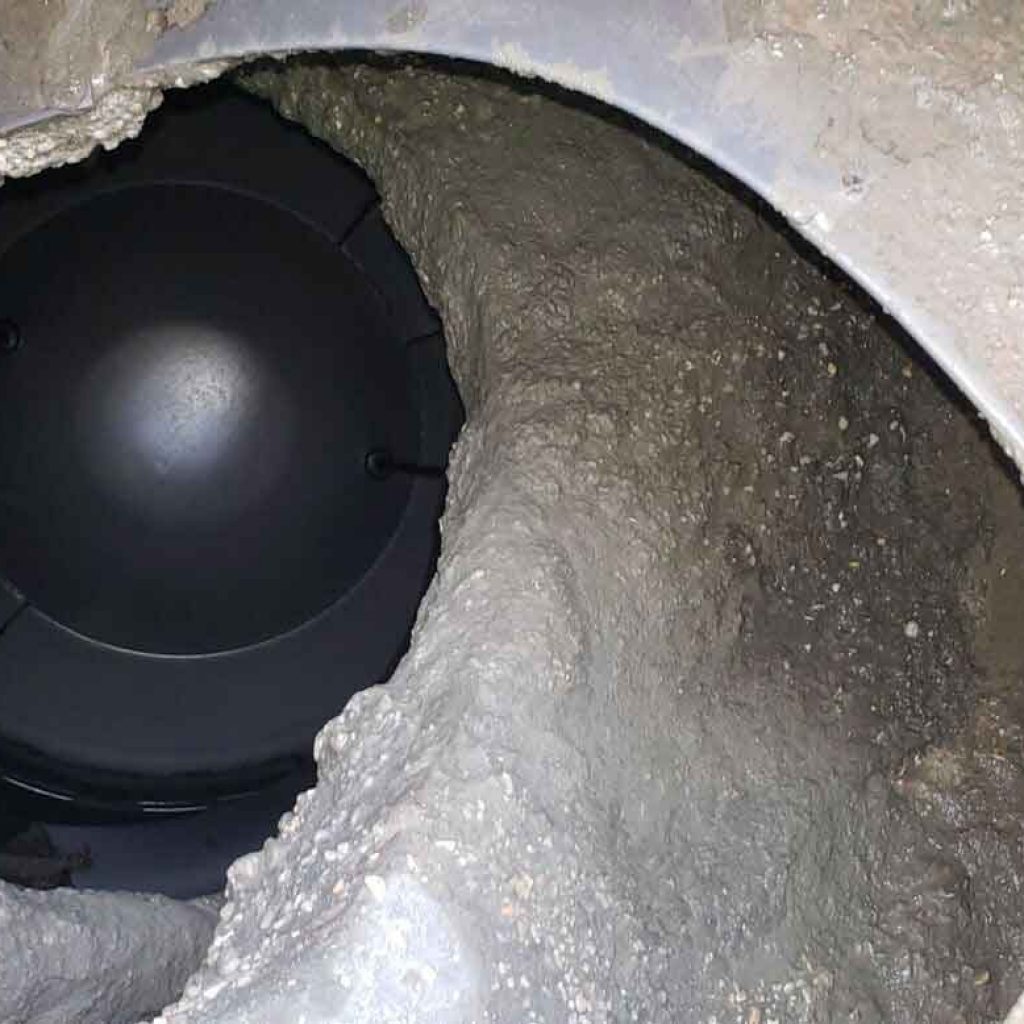
If a mixer isn’t washed properly:
-
Concrete hardens inside the drum and reduces capacity.
-
Drum blades (fins) get damaged.
-
Truck weight increases, leading to higher fuel usage.
-
Contaminated slurry affects future concrete quality.
-
Safety risks increase during operation.
Regular washout ensures longer drum life, consistent quality, and safer operations.
Step-by-Step: Safe Washout Procedure for Transit Mixers!
1. Park in the Designated Washout Area.
Every RMC plant has a washout pit or slurry disposal zone.
The driver must:
-
Park on stable, non-slippery ground.
-
Keep the chute directed toward the pit.
-
Apply the parking brake.
This prevents accidents and ensures all slurry drains properly.
2. Wear Safety Gear (PPE)
Concrete slurry is highly alkaline. Direct contact can burn skin.
Required PPE includes:
-
Safety helmet
-
Rubber gloves
-
Goggles
-
Safety shoes
-
High-visibility jacket
-
Respirator mask
No washout operation should happen without full PPE.
3. Completely Discharge Remaining Concrete.
Before washing, ensure the mixer is fully emptied.
-
Rotate the drum at higher RPM for 1–2 minutes.
-
Allow all concrete to flow out of the drum and chute.
-
Break down leftover clumps before they harden.
This prevents large chunks from going inside the washout pit.
4. Internal Drum Washout.
This is the most crucial step.
Never attempt to enter the drum — it’s extremely dangerous.
Procedure:
-
Pour 50–100 liters of clean water into the drum.
-
Rotate the drum at moderate speed (12–18 RPM).
-
Let water splash inside, cleaning fins and walls.
-
Reverse the drum to discharge slurry into the pit.
Repeat if necessary until water flows out clean.
5. Clean the Chutes and Hopper.
Use a low-pressure or medium-pressure water jet to clean:
-
Main chute
-
Extension chutes
-
Loading hopper
-
Discharge mouth
Remove every trace of concrete buildup. Hardened concrete on chutes creates blockages and affects discharge speed in future deliveries.
6. Rinse the Exterior.
A quick exterior wash helps prevent buildup and rust.
Clean:
-
Rear frame
-
Wheels
-
Guards
-
Chassis around the mixer
Avoid wasting water — use controlled spray only.
7. Proper Slurry Disposal.
Environmental compliance is important.
The washout slurry must:
-
Flow into the designated pit.
-
Never be released on open land, drains, or roads.
-
Be handled by plant staff for recycling or disposal.
Improper slurry disposal is a violation under environmental norms.
8. Pre-Departure Final Rinse.
Just before leaving for the next batch:
-
Add 20–30 liters of water.
-
Rotate for 30 seconds.
-
Discharge it again.
This keeps the fins wet and prevents fresh concrete from sticking.
Safety Rules Every Plant Should Follow!
-
Never stand under or directly behind the chute during discharge.
-
Avoid climbing on the rotating drum.
-
Do not wash the mixer near traffic or public areas.
-
Ensure all moving parts are clear before rotation.
-
Keep electrical equipment away from washout zones.
These precautions prevent injuries and plant accidents.
Benefits of Proper Washout!
A well-maintained transit mixer ensures:
-
Higher drum lifespan.
-
Lower fuel consumption.
-
Better concrete quality.
-
Reduced maintenance downtime.
-
Cleaner and safer plant operations.
For RMC suppliers, contractors, and concrete businesses, disciplined washout procedures offer long-term savings and reliability.
A clean transit mixer is not just about appearance — it’s a critical part of safe, efficient, and compliant concrete delivery. By following the correct washout method, plants can ensure quality concrete supply, extended mixer life, and safer operations on-site.