
How to Maintain Concrete for Long Life: Complete Expert Guide!
Concrete is one of the most durable construction materials known — yet it is not indestructible. Weathering, moisture, load stress, chemicals, and lack of maintenance slowly damage its surface and internal structure.
The good news? With systematic care, concrete can last 50–100+ years, retaining both strength and appearance. This guide explains practical, proven methods to maintain concrete for maximum lifespan.
Why Concrete Maintenance Matters !
Even high-quality concrete faces:
-
Moisture penetration
-
Temperature variations
-
Shrinkage stresses
-
Traffic loads
-
Chemical attacks
Without upkeep, these factors lead to cracks, spalling, dusting, corrosion, discolouration, and in severe cases, structural failure. Preventive maintenance is far cheaper than major repairs or replacements.
1. Clean the Concrete Regularly.
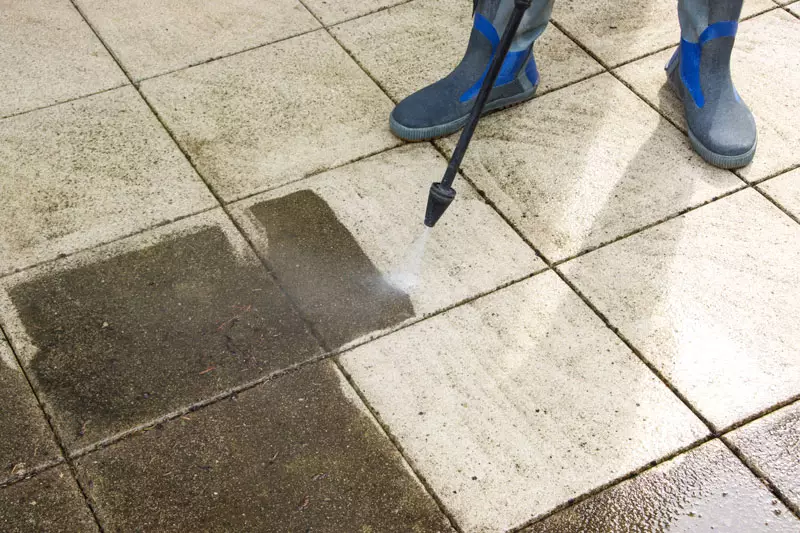
Dust, mud, tyre marks, and oil stains degrade the surface and allow moisture to penetrate.
How to Clean?
-
Sweep or wash the surface once every 1–2 weeks.
-
Use mild detergent + water for basic cleaning.
-
Pressure wash every 3–6 months (avoid extremely high pressure to prevent surface erosion).
-
Remove oil or grease using concrete degreasers.
Avoid harsh acids unless you are doing controlled etching with proper safety measures.
2. Seal the Surface Every 2–4 Years.
Sealing is one of the most important steps in long-term concrete protection.
Benefits of Sealing
-
Blocks water absorption
-
Prevents stains
-
Reduces freeze–thaw damage
-
Protects against chemicals
-
Minimises surface wear
Types of Sealers
-
Acrylic Sealers – economical, good for decorative surfaces
-
Penetrating Sealers (silane/siloxane) – ideal for driveways, pavements, outdoor slabs
-
Epoxy & Polyurethane Coatings – high-traffic floors, warehouses, industrial areas
Choose a sealer depending on exposure: heavy traffic, sunlight, water, or chemicals.
3. Control Water and Moisture.
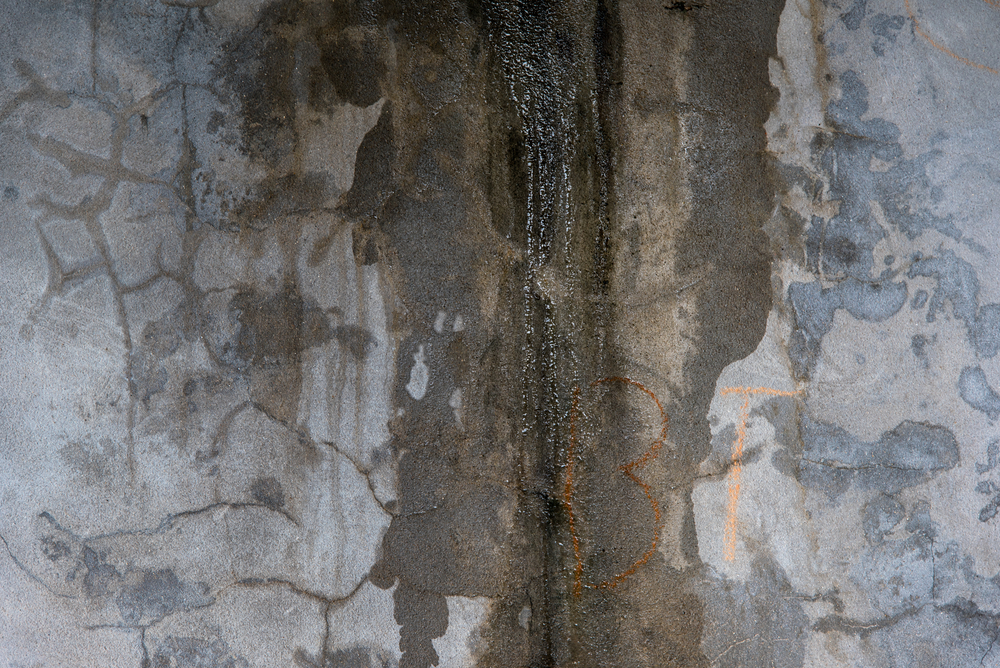
Water is concrete’s biggest enemy when it penetrates and stays inside. Over time, it leads to cracks, efflorescence, weakening, and rebar corrosion.
Moisture Prevention Techniques!
-
Maintain proper slope to allow water runoff.
-
Keep drains and gutters unclogged.
-
Repair plumbing leaks immediately.
-
Use waterproofing membranes or coatings for rooftops, basements, water tanks, and retaining walls.
-
Avoid allowing water to stagnate around slabs, walkways, or foundations.
4. Repair Cracks as Soon as They Appear.
Ignoring small cracks allows moisture to enter, which worsens the damage.
Types of Repairs
-
Hairline cracks:
Fill with ready-to-use concrete crack fillers or polymer pastes. -
Non-structural cracks:
Use polyurethane injection (best for sealing voids and stopping water leaks). -
Structural cracks:
Use epoxy injection to bond concrete and restore strength. -
Spalling or surface scaling:
Patch using polymer-modified repair mortars.
Regular inspection is key to catching cracks early.
5. Prevent Overloading.
Placing more weight than the slab was designed for leads to cracks and settlement.
Avoid This-
-
Parking heavy trucks on thin residential driveways
-
Stacking excessive loads in warehouses
-
Dropping heavy machinery directly on the surface
Better Alternatives!
-
Use load-distribution mats in industrial spaces.
-
Ensure structural calculations match the intended usage.
7. Maintain Joints and Edges.
Joints allow concrete to expand and contract safely. If joints are damaged or filled with debris, the slab cracks unpredictably.
Maintenance Steps -
-
Clean joints and remove accumulated dirt.
-
Replace old or dried joint sealant every few years.
-
Protect slab edges from water erosion and impact.
Proper joint care increases slab life significantly.
8. Ensure Good Drainage Around Structures.
Poor drainage exposes concrete to constant moisture, making it weak.
Checklist
-
Check slopes around the house or building.
-
Ensure rainwater flows away and not toward the structure.
-
Maintain drainage channels, curb lines, and surface drains.
-
Re-level sinking areas before damage spreads.
9. Weather Protection Matters.
Different climates affect concrete differently.
Hot Weather
-
Avoid washing with cold water on hot concrete (thermal shock).
-
Maintain proper curing for new concrete to prevent shrinkage cracks.
Cold Weather
-
Apply sealers before winter to prevent freeze-thaw damage.
-
Avoid aggressive de-icing salts.
-
Use insulated blankets for curing in low temperatures.
10. Conduct Annual Inspections
A yearly health check can prevent major failures.
Look for Signs Like
-
New or widening cracks
-
Moisture marks
-
Efflorescence
-
Surface dusting or flaking
-
Rust spots (indicating rebar corrosion)
-
Uneven surface or settlement
Document issues and repair them immediately to extend lifespan.
A well-designed and well-maintained concrete surface can easily last several decades longer than expected. The key is:
-
Keep it clean
-
Seal it periodically
-
Protect it from moisture & chemicals
-
Repair cracks promptly
-
Avoid overloading
-
Maintain proper drainage
These simple habits can dramatically improve the strength, appearance, and durability of any concrete structure.